
Both plyometric and interval training have gained popularity among elite and recreational runners alike, but understanding their unique benefits, mechanisms, and applications is essential for making informed training decisions. This comprehensive comparison will explore how each method works, their respective benefits, and how to effectively incorporate them into your running routine for maximum performance gains.
What is Plyometric Training for Runners?
Plyometric training, often referred to as “jump training,” is a specialized form of exercise that focuses on developing explosive power through rapid stretching and contracting of muscles. This training method utilizes the stretch-shortening cycle (SSC), a natural mechanism where muscles store elastic energy during the eccentric (lengthening) phase and then release it during the concentric (shortening) phase of movement.
The Science Behind Plyometrics
The effectiveness of plyometric training lies in its ability to enhance neuromuscular efficiency. When you perform a plyometric exercise, such as a depth jump, your muscles undergo a quick stretch followed by an immediate powerful contraction. This rapid transition trains your nervous system to activate more muscle fibers more quickly, resulting in greater force production in less time—a critical factor for running performance.
Research published in the Journal of Strength and Conditioning Research has shown that plyometric training can improve running economy by enhancing the elastic properties of muscles and tendons, allowing runners to utilize stored energy more efficiently during each stride. This translates to less energy expenditure at a given pace, ultimately improving endurance and performance.
Common Plyometric Exercises for Runners
Lower Body Plyometrics
- Box jumps (jumping onto and off a raised platform)
- Depth jumps (stepping off a box and immediately jumping upward)
- Squat jumps (explosive jumps from a squat position)
- Lunge jumps (alternating jumping lunges)
- Bounding (exaggerated running with maximum height and distance)
Core and Stability Plyometrics
- Lateral bounds (side-to-side jumping)
- Single-leg hops (forward, lateral, and medial movements)
- Tuck jumps (jumping while bringing knees to chest)
- Plyo push-ups (explosive push-ups with hands leaving the ground)
- Medicine ball throws (explosive core movements)
These exercises are designed to develop explosive power, improve neuromuscular coordination, and enhance the elastic properties of muscles and tendons—all crucial components for running efficiency and performance. When properly integrated into a training program, plyometrics can significantly improve a runner’s ability to generate force quickly, leading to faster running speeds and improved economy.
What is Interval Training for Runners?

Interval training is a structured workout method that alternates between periods of high-intensity effort and recovery periods of lower intensity or complete rest. This training approach has been a cornerstone of running programs for decades, with various formats designed to target different energy systems and physiological adaptations.
The Science Behind Interval Training
The effectiveness of interval training stems from its ability to push your cardiovascular and muscular systems beyond what would be possible during continuous steady-state exercise. By alternating between high-intensity efforts and recovery periods, you can accumulate more time at higher intensities than would be possible in a continuous run.
During high-intensity intervals, your body relies heavily on anaerobic metabolism, which improves your lactate threshold, VO2max, and overall cardiovascular capacity. The recovery periods allow for partial clearance of metabolic byproducts, enabling you to perform multiple high-quality efforts in a single session.
Types of Interval Training for Runners
High-Intensity Interval Training (HIIT)
HIIT involves short bursts of maximum or near-maximum effort (typically 15-60 seconds) followed by equal or longer recovery periods. These workouts are intense but brief, often lasting 20-30 minutes total, and primarily target anaerobic capacity and VO2max improvement.
Example HIIT Workout: 10 x 30-second all-out sprints with 90 seconds of walking recovery between each sprint.
Sprint Interval Training (SIT)
SIT consists of very short, maximum-intensity efforts (typically 10-30 seconds) with longer recovery periods. These sessions focus on developing maximum power output, neuromuscular coordination, and anaerobic capacity.
Example SIT Workout: 8 x 15-second all-out sprints with 2-3 minutes of complete rest between each sprint.
Tempo Intervals
Tempo intervals involve longer efforts (3-10 minutes) at a challenging but sustainable pace (typically around lactate threshold), with shorter recovery periods. These workouts improve lactate threshold and aerobic endurance.
Example Tempo Interval Workout: 4 x 5-minute efforts at threshold pace with 1-minute jogging recovery between intervals.
Long Intervals
Long intervals consist of extended efforts (2-5 minutes) at a pace slightly faster than lactate threshold with recovery periods of similar duration. These sessions develop aerobic power and lactate threshold.
Example Long Interval Workout: 6 x 3-minute intervals at 5K race pace with 2-minute jogging recovery between intervals.
The versatility of interval training allows runners to target specific physiological adaptations based on their goals, whether it’s improving sprint speed, increasing endurance, or enhancing overall running economy. By manipulating variables such as intensity, duration, and recovery periods, interval training can be customized to address individual needs and training objectives.
Comparing the Benefits: Plyometric vs Interval Training for Runners

Speed Development
Plyometric Training Benefits for Speed
- Enhances explosive power and force production
- Improves neuromuscular coordination and recruitment
- Increases stride length through greater force application
- Develops fast-twitch muscle fibers crucial for sprinting
- Reduces ground contact time for more efficient running
Interval Training Benefits for Speed
- Develops specific running mechanics at race pace
- Improves anaerobic capacity for sustained speed
- Enhances lactate threshold for higher sustainable speeds
- Trains the body to recover quickly between high-intensity efforts
- Builds mental toughness for maintaining speed under fatigue
Research published in the Journal of Sports Science and Medicine found that plyometric training resulted in significant improvements in 20-meter sprint times among athletes, with an average reduction of 2.8% after just 6 weeks of training. This improvement is attributed to enhanced neuromuscular coordination and increased power output during the push-off phase of running.
Meanwhile, a study in the International Journal of Sports Physiology and Performance demonstrated that sprint interval training improved 400-meter times by an average of 3.5% over an 8-week period, primarily through improvements in anaerobic capacity and lactate tolerance.
Endurance Enhancement
Plyometric Training Benefits for Endurance
- Improves running economy (less energy used at a given pace)
- Enhances musculotendinous stiffness for better energy return
- Reduces oxygen consumption at submaximal speeds
- Increases resistance to muscle fatigue
- Improves neuromuscular efficiency during prolonged activity
Interval Training Benefits for Endurance
- Significantly increases VO2max (maximal oxygen uptake)
- Raises lactate threshold for sustained higher intensities
- Improves cardiac output and stroke volume
- Enhances mitochondrial density and function
- Develops mental resilience for endurance events
A landmark study by Paavolainen et al. demonstrated that replacing 32% of regular endurance training with explosive strength training (including plyometrics) improved 5K running performance by 3.1% in elite cross-country runners, primarily through enhanced running economy. The researchers noted a significant reduction in oxygen consumption at submaximal speeds, indicating more efficient energy utilization.
Conversely, a meta-analysis published in Sports Medicine found that high-intensity interval training produced an average improvement of 3.9% in VO2max across multiple studies, with some participants experiencing gains of up to 8% in as little as 6 weeks. This improvement in maximal oxygen uptake directly translates to enhanced endurance performance.
Injury Prevention and Risk Factors
| Aspect | Plyometric Training | Interval Training |
| Impact Forces | High acute forces; significant stress on joints and connective tissues | Moderate to high repetitive forces; cumulative stress over time |
| Injury Risk Factors | Improper technique, insufficient strength base, inadequate progression, hard surfaces | Excessive volume, inadequate recovery, biomechanical issues, previous injuries |
| Preventive Benefits | Strengthens tendons and ligaments, improves joint stability, enhances proprioception | Improves running form under fatigue, develops tissue resilience, enhances recovery capacity |
| Recovery Requirements | 48-72 hours between sessions due to neuromuscular fatigue | 24-48 hours between high-intensity sessions, depending on intensity |
| Progression Model | Gradual increase in volume before intensity; emphasis on quality over quantity | Progressive increase in intensity, volume, or reduction in recovery periods |
Research from the Journal of Strength and Conditioning Research indicates that properly implemented plyometric training can reduce injury risk by up to 50% in athletes, primarily through improvements in landing mechanics, joint stability, and proprioception. However, the same study emphasized the importance of proper progression and technique to avoid acute injuries during the training itself.
A study in the British Journal of Sports Medicine found that runners who incorporated interval training experienced 68% fewer overuse injuries compared to those who only performed continuous running at moderate intensities. The researchers attributed this to improved tissue resilience, better running mechanics, and the varied stress patterns that interval training provides.
Case Studies: Elite Runners Using Plyometric and Interval Training

Plyometric Training Success Stories
Eliud Kipchoge: The Marathon World Record Holder
Despite being known for his marathon prowess, Kipchoge incorporates plyometric exercises into his training regimen to maintain power and efficiency. His coach, Patrick Sang, implements a progressive plyometric program that includes bounding, single-leg hops, and depth jumps.
Kipchoge performs plyometrics twice weekly during his base and build phases, focusing on quality over quantity. These sessions typically include 3-4 exercises with 2-3 sets of 6-10 repetitions each. The emphasis is on perfect form and maximum effort rather than high volume.
According to his training team, plyometrics have contributed significantly to Kipchoge’s exceptional running economy, which is considered among the best ever measured in elite marathoners. His ability to maintain efficient form throughout a marathon is partially attributed to the neuromuscular adaptations from his plyometric training.
Emma Coburn: Steeplechase Champion
As a world champion steeplechaser, Coburn relies heavily on plyometric training to develop the explosive power needed for clearing barriers and water jumps. Her coach, Joe Bosshard, incorporates a comprehensive plyometric program that emphasizes single-leg stability and power.
Coburn’s plyometric routine includes exercises such as single-leg bounds, lateral hops, and hurdle jumps, performed 1-2 times weekly during her competitive season. These exercises directly translate to the specific demands of steeplechase, where explosive power and quick recovery are essential.
Since implementing a structured plyometric program, Coburn has reported improved barrier technique, faster recovery between obstacles, and enhanced sprint finish capability. Her success demonstrates how sport-specific plyometric training can address the unique demands of specialized running events.
Interval Training Success Stories
Mo Farah: Olympic Distance Champion
Under coach Alberto Salazar, Farah transformed from a good runner to an Olympic champion through a rigorous interval training program. His training featured a mix of high-intensity intervals at various distances, from 200m repeats to mile repeats at race pace or faster.
A signature workout in Farah’s program was “10-10-10” – ten 1000m repeats with 60-second recovery, followed by ten 400m repeats with 30-second recovery, and finishing with ten 200m repeats with 15-second recovery. This progressive overload of the anaerobic system developed his legendary finishing kick.
Farah’s interval training was carefully periodized throughout the year, with different emphasis depending on his competition schedule. During base phases, he focused on longer intervals at threshold pace, while competition phases featured shorter, higher-intensity intervals to sharpen race-specific speed.
Shalane Flanagan: Marathon Champion
Flanagan’s coach, Jerry Schumacher, implemented a progressive interval training approach that helped her transition successfully from track to marathon racing. Her program featured a mix of threshold intervals, VO2max sessions, and race-pace specific workouts.
A key workout in Flanagan’s marathon preparation was “The Michigan” – a complex session alternating between track intervals and tempo running on roads. The workout typically included 1600m at 5K pace, followed by a mile tempo on roads, then 1200m at 5K pace, another mile tempo, 800m at 3K pace, a mile tempo, and finishing with 400m at mile pace.
This comprehensive interval approach developed Flanagan’s ability to change gears during a marathon and maintain pace under fatigue. Her 2017 New York City Marathon victory demonstrated the effectiveness of this training methodology, as she was able to surge decisively in the final miles to break away from the competition.
Hybrid Approaches: Combining Both Methods
Many elite runners have found success by strategically combining both plyometric and interval training within their overall program. For example, American 5K record holder Shelby Houlihan incorporates plyometric exercises into her warm-up routine before interval sessions, creating a potent stimulus for neuromuscular development while simultaneously targeting cardiovascular adaptations.
Similarly, British middle-distance runner Laura Muir uses a periodized approach where plyometric training is emphasized during early season preparation, while interval training becomes the primary focus as competition approaches. This sequential method allows for the development of power and efficiency first, followed by the specific metabolic adaptations needed for racing.
These case studies highlight that while each training method offers distinct benefits, the most effective approach for many runners is a carefully planned integration of both plyometric and interval training, tailored to individual needs and periodized throughout the training cycle.
Practical Integration: Adding Plyometric and Interval Training to Your Running Program

Weekly Training Structure
Effectively integrating both plyometric and interval training into your running program requires careful planning to ensure adequate recovery while maximizing training benefits. Here’s a sample weekly structure for a runner looking to incorporate both methods:
| Day | Morning | Afternoon/Evening | Recovery Focus |
| Monday | Easy Recovery Run (30-45 min) | Plyometric Session (20-30 min) + Core Work | Foam rolling, light stretching |
| Tuesday | Interval Training (e.g., 8 × 400m at 5K pace) | Rest or Light Cross-Training | Compression, adequate hydration |
| Wednesday | Easy Run (40-60 min) | Strength Training (focus on lower body) | Protein intake, sleep quality |
| Thursday | Tempo Run or Threshold Intervals | Rest | Contrast therapy (hot/cold) |
| Friday | Easy Recovery Run (30-45 min) | Plyometric Session (20-30 min) + Core Work | Foam rolling, light stretching |
| Saturday | Long Run (varying pace) | Rest | Nutrition timing, rehydration |
| Sunday | Complete Rest or Light Cross-Training | Rest | Active recovery, massage |
Plyometric Training Implementation
When adding plyometrics to your running program, follow these guidelines for safe and effective implementation:
Beginner Plyometric Progression (4-6 weeks)
- Frequency: 1-2 sessions per week
- Volume: 80-100 total foot contacts per session
- Intensity: Low to moderate (focus on technique)
- Rest: 60-90 seconds between sets
- Exercises: Squat jumps, lateral hops, skipping, low box jumps (12-18 inches)
Intermediate Plyometric Progression (4-6 weeks)
- Frequency: 2 sessions per week
- Volume: 100-120 total foot contacts per session
- Intensity: Moderate (focus on height/distance)
- Rest: 45-60 seconds between sets
- Exercises: Bounding, box jumps (18-24 inches), single-leg hops, depth jumps (low height)
Advanced Plyometric Progression (ongoing)
- Frequency: 2-3 sessions per week
- Volume: 120-140 total foot contacts per session
- Intensity: High (maximum effort on each repetition)
- Rest: 30-45 seconds between sets
- Exercises: Depth jumps (24-30 inches), hurdle hops, multiple response jumps, plyometric combinations
Key Plyometric Training Principles
- Quality over quantity – focus on maximum effort and perfect technique
- Perform on soft, slightly yielding surfaces (rubber mat, grass, track)
- Ensure adequate strength base before progressing to higher intensity
- Allow 48-72 hours recovery between plyometric sessions
- Integrate plyometrics after a thorough warm-up
Interval Training Implementation
For effective interval training integration, consider these guidelines based on your running experience and goals:
Beginner Interval Progression (4-6 weeks)
- Frequency: 1 session per week
- Format: Fartlek or informal intervals
- Example Workout: 6-8 × 1 minute hard effort with 2 minutes easy jogging recovery
- Intensity: Moderate (comfortably hard, able to speak in short phrases)
- Volume: 10-15 minutes of total interval time
Intermediate Interval Progression (4-6 weeks)
- Frequency: 1-2 sessions per week
- Format: Structured intervals on track or measured course
- Example Workout: 6-8 × 400m at 5K pace with 200m jogging recovery
- Intensity: Moderate to high (at or slightly faster than race pace)
- Volume: 15-20 minutes of total interval time
Advanced Interval Progression (ongoing)
- Frequency: 2 sessions per week (varied types)
- Format: Mixed interval types (short, long, hills, etc.)
- Example Workout: 5 × 1000m at 5K pace with 400m jogging recovery
- Intensity: High (race pace to faster than race pace)
- Volume: 20-30 minutes of total interval time
Key Interval Training Principles
- Maintain consistent pacing throughout the workout
- Adjust recovery periods based on training goals and fitness level
- Progress by increasing intensity, volume, or reducing recovery
- Allow 48 hours between high-intensity interval sessions
- Match interval type to specific race goals and training phase
Periodization and Seasonal Planning
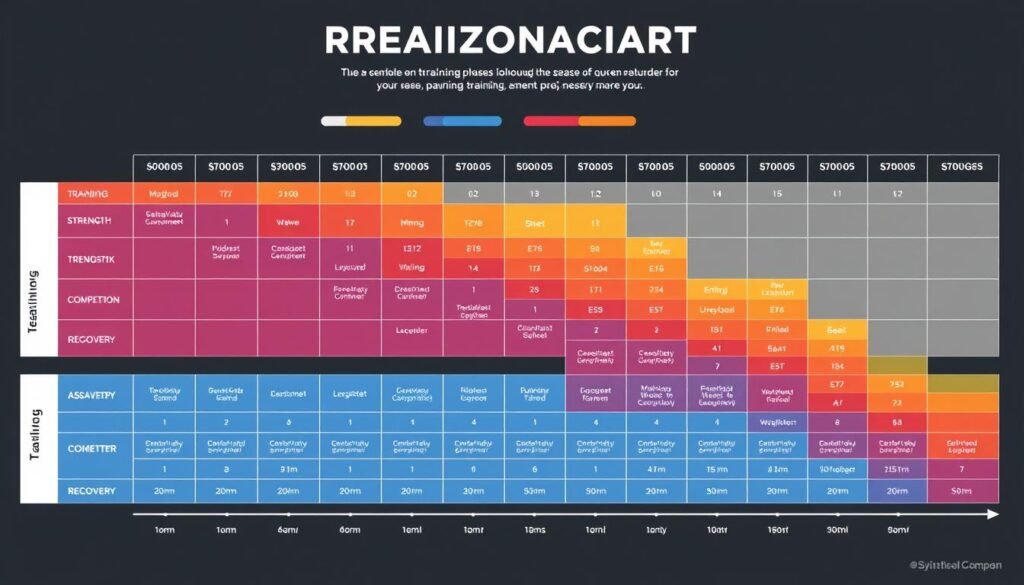
To maximize the benefits of both training methods while minimizing injury risk, consider implementing a periodized approach throughout your training year:
Base Phase (8-12 weeks)
- Primary focus: Building aerobic endurance and fundamental strength
- Plyometrics: 1 session/week, low-intensity, technique focus
- Intervals: 1 session/week, longer intervals at threshold pace
- Running: Emphasis on easy mileage and aerobic development
Strength Phase (4-6 weeks)
- Primary focus: Developing power and strength endurance
- Plyometrics: 2 sessions/week, increasing intensity and complexity
- Intervals: 1-2 sessions/week, mix of threshold and VO2max intervals
- Running: Moderate volume with introduction of hill workouts
Speed Phase (4-6 weeks)
- Primary focus: Developing race-specific speed and power
- Plyometrics: 2 sessions/week, high intensity, race-specific movements
- Intervals: 2 sessions/week, shorter, higher-intensity intervals
- Running: Slightly reduced volume with increased quality
Competition Phase (varies)
- Primary focus: Race performance and maintenance of fitness
- Plyometrics: 1 session/week, maintenance level, race-specific
- Intervals: 1-2 sessions/week, race-specific paces and distances
- Running: Reduced volume with emphasis on quality and recovery
This periodized approach allows you to systematically develop different aspects of fitness throughout the year while managing training stress and recovery. By strategically emphasizing different training methods during specific phases, you can maximize adaptations while reducing the risk of overtraining or injury.
Specific Training Recommendations Based on Running Goals

For Sprinters and Middle-Distance Runners (400m-1500m)
For sprinters and middle-distance runners, plyometric training should be a primary focus, with a 60/40 split favoring plyometrics over interval training. These athletes benefit most from developing explosive power, neuromuscular efficiency, and the ability to generate maximum force in minimal time.
Recommended Plyometric Exercises
- Depth jumps: 3-4 sets of 6-8 reps from 24-30 inch box
- Bounding: 3 sets of 30m with emphasis on maximum distance
- Single-leg hops: 3 sets of 10 reps per leg (forward, lateral, medial)
- Hurdle hops: 3 sets of 8-10 hurdles at appropriate height
- Box jumps: 3-4 sets of 6-8 reps with emphasis on height
- Alternate leg bounds: 3 sets of 30m with emphasis on height
- Multiple response jumps: 3 sets of 8-10 continuous jumps
- Medicine ball throws: 3 sets of 8-10 explosive throws
Recommended Interval Training
- Speed endurance: 6-8 × 200m at 95% effort with 3-4 min recovery
- Lactate tolerance: 4-5 × 300m at 90% effort with 2-3 min recovery
- Speed development: 8-10 × 60m at 100% effort with full recovery
- Race simulation: 3-4 × race distance at 85-90% effort with full recovery
- Acceleration development: 8-10 × 30m from blocks or standing start
- Mixed pace work: 400m-300m-200m-100m ladder at descending pace
For 5K-10K Runners
For 5K-10K runners, a balanced approach with equal emphasis on both training methods is optimal. These distances require a combination of aerobic endurance, lactate threshold, running economy, and the ability to produce a strong finishing kick.
Recommended Plyometric Exercises
- Box jumps: 3 sets of 8-10 reps at moderate height (18-24 inches)
- Bounding: 3 sets of 40-50m with emphasis on form
- Lateral bounds: 3 sets of 10 reps per direction
- Single-leg hops: 3 sets of 8 reps per leg (various directions)
- Depth jumps: 3 sets of 8 reps from moderate height (18-24 inches)
- Skipping variations: 3 sets of 30m with emphasis on height
- Hurdle hops: 3 sets over 6-8 hurdles at moderate height
- Jump squats: 3 sets of 10-12 reps with bodyweight or light load
Recommended Interval Training
- VO2max intervals: 5-6 × 1000m at 5K pace with 2-3 min recovery
- Threshold intervals: 4 × 1 mile at threshold pace with 2 min recovery
- Speed endurance: 8-10 × 400m at 3K pace with 1 min recovery
- Mixed pace work: 1200m-1000m-800m-600m-400m at descending pace
- Cruise intervals: 3 × 8 min at threshold pace with 2 min recovery
- Hill repeats: 8-10 × 45-second hill sprints with jog down recovery
For Half-Marathon and Marathon Runners
For half-marathon and marathon runners, interval training should be the primary focus, with a 60/40 split favoring intervals over plyometrics. These distances require exceptional aerobic endurance, metabolic efficiency, and the ability to maintain pace under fatigue.
Recommended Plyometric Exercises
- Low box jumps: 2-3 sets of 10 reps at lower height (12-18 inches)
- Bounding: 2-3 sets of 60m with emphasis on rhythm
- Jump rope variations: 3 sets of 30-60 seconds (single, double, alternate)
- Squat jumps: 2-3 sets of 12-15 reps with focus on form
- Lateral bounds: 2-3 sets of 10 reps per direction
- Single-leg hops: 2-3 sets of 10 reps per leg (forward focus)
- Low hurdle hops: 2-3 sets over 8-10 low hurdles
- Skipping variations: 2-3 sets of 40m with emphasis on rhythm
Recommended Interval Training
- Threshold intervals: 4-5 × 1 mile at threshold pace with 2 min recovery
- Marathon pace intervals: 3-4 × 2 miles at goal pace with 3 min recovery
- Long intervals: 3 × 2000m at 10K pace with 3-4 min recovery
- Cruise intervals: 5 × 1000m at threshold pace with 1 min recovery
- Progressive long run: 16-20 miles with final 3-5 at goal pace
- Alternating pace: 10 × 3 min at threshold/2 min at marathon pace

By tailoring your training approach to your specific race distance and goals, you can maximize the benefits of both plyometric and interval training. Remember that individual responses to training vary, so monitor your progress and adjust as needed based on your performance, recovery, and injury history.
Monitoring Progress and Adjusting Your Training

Key Performance Indicators
To effectively evaluate the impact of your plyometric and interval training, regularly monitor these key performance indicators:
Plyometric Performance Metrics
- Vertical jump height: Measure using a jump mat or Vertec device
- Standing long jump distance: Measure horizontal jumping power
- Reactive strength index: Calculate from drop jump height and contact time
- Ground contact time: Measure using contact mat or high-speed video
- Stride length: Measure during submaximal running
Interval Training Performance Metrics
- Heart rate recovery: Time to return to 60% of max HR after intervals
- Lactate threshold pace: Pace at which lactate begins to accumulate
- VO2max: Estimated from field tests like Cooper 12-min run
- Interval consistency: Ability to maintain target pace across repetitions
- Rating of perceived exertion (RPE): Subjective effort rating at given pace
Tracking Tools and Methods
Utilize these tools and methods to systematically track your progress:
Technology-Based Tracking
- GPS watches: Track pace, distance, heart rate, and recovery metrics
- Heart rate monitors: Measure workout intensity and recovery status
- Force plates/jump mats: Measure power output during plyometrics
- Video analysis apps: Analyze running form and plyometric technique
- Training log apps: Record workouts and track progress over time
Manual Tracking Methods
- Training journal: Record workouts, subjective feelings, and metrics
- Performance tests: Conduct regular time trials or field tests
- Technique assessment: Have coach evaluate form periodically
- Recovery tracking: Monitor sleep quality, resting heart rate, and HRV
- Race results: Compare performance in similar races over time
When and How to Adjust Your Training
Be prepared to modify your training based on these indicators:
| Indicator | Potential Issue | Recommended Adjustment |
| Persistent soreness (>72 hours) | Excessive plyometric volume or intensity | Reduce plyometric foot contacts by 20-30%; focus on quality over quantity |
| Declining interval performance | Accumulated fatigue or overtraining | Insert additional recovery day; reduce interval intensity by 5-10% |
| Plateau in power metrics | Adaptation to current plyometric stimulus | Modify exercises; increase complexity or add resistance |
| Elevated resting heart rate | Insufficient recovery between sessions | Add recovery day; prioritize sleep and nutrition |
| Inconsistent interval pacing | Target pace too ambitious or fatigue | Adjust target pace by 3-5%; increase recovery intervals |
| Technique deterioration | Fatigue or inappropriate progression | Reduce complexity; refocus on fundamental movements |
Regular monitoring and appropriate adjustments ensure that your training remains effective and sustainable. Remember that adaptation is highly individual—what works for one runner may not work for another. Be willing to experiment within safe parameters to find the optimal balance of plyometric and interval training for your unique physiology and goals.
Conclusion: Choosing the Right Training Method for Your Goals

After examining the science, benefits, and practical applications of both plyometric and interval training for runners, it’s clear that each method offers distinct advantages for different aspects of running performance. Rather than viewing these training approaches as competing alternatives, consider them complementary tools in your training arsenal that can be strategically implemented based on your specific goals, race distances, and training phase.
When to Prioritize Plyometric Training
- When developing explosive power for sprinting and middle-distance events
- During early season or base building phases to develop fundamental power
- When focusing on improving running economy and mechanical efficiency
- For runners with adequate strength base but lacking power and speed
- When preparing for races with significant changes in terrain or elevation
When to Prioritize Interval Training
- When developing specific endurance for longer race distances
- During pre-competition phases to sharpen race-specific fitness
- When focusing on improving VO2max and lactate threshold
- For runners with good power but lacking metabolic conditioning
- When preparing for races requiring sustained efforts at threshold pace
The Optimal Approach: Strategic Integration
For most runners, the most effective approach is a thoughtful integration of both training methods, periodized throughout the training year and tailored to individual needs and goals. By strategically incorporating both plyometric and interval training into your program, you can develop a comprehensive set of physiological adaptations that contribute to improved running performance across various distances and conditions.
Remember that consistency, progression, and recovery are fundamental principles that apply to both training methods. Start conservatively, progress gradually, monitor your response, and prioritize quality over quantity. With patience and persistence, the strategic implementation of plyometric and interval training can help you reach new levels of running performance and achieve your athletic goals.
Take Your Running to the Next Level
Ready to implement these training methods into your running program? Download our free “Runner’s Guide to Plyometric and Interval Training” for detailed workout plans, progression models, and tracking tools to help you maximize your performance gains.
Frequently Asked Questions About Plyometric vs Interval Training for Runners
How often should runners incorporate plyometric training into their routine?
Most runners should incorporate plyometric training 1-2 times per week, with at least 48 hours between sessions to allow for adequate recovery. Beginners should start with one session per week of low to moderate intensity, while more advanced runners can progress to two sessions per week with higher intensity. The total volume should be monitored carefully, typically ranging from 80-140 foot contacts per session depending on experience level and training goals.
Can interval training replace long runs for marathon preparation?
No, interval training cannot completely replace long runs for marathon preparation. While intervals are excellent for developing aerobic capacity, lactate threshold, and running economy, the long run serves unique purposes in marathon training. Long runs develop specific endurance, train the body to utilize fat as fuel, strengthen connective tissues for the demands of 26.2 miles, and provide crucial psychological preparation. The optimal approach combines both methods, using intervals to develop speed and efficiency while maintaining long runs for specific endurance adaptations.
Is plyometric training safe for beginner runners?
Plyometric training can be safe for beginner runners when properly implemented with appropriate progression. Beginners should establish a base level of strength and running consistency (typically 3-6 months of regular running) before adding plyometrics. Start with low-intensity exercises like skipping, low box jumps, and jumping rope before progressing to more demanding movements. Focus on proper technique, use appropriate surfaces (avoid concrete), keep volume low (60-80 foot contacts per session), and ensure adequate recovery between sessions. If you have any joint issues or previous injuries, consult with a physical therapist or qualified coach before beginning plyometric training.
How long does it take to see results from interval training?
Most runners begin to see measurable improvements from interval training within 4-6 weeks of consistent implementation. Initial adaptations often include improved recovery between intervals and the ability to maintain more consistent pacing. Physiological changes like increased VO2max and lactate threshold typically become apparent after 6-8 weeks of regular training. However, the rate of improvement varies based on training history, genetic factors, and overall program design. For optimal results, continue interval training for at least 8-12 weeks while progressively adjusting the intensity, volume, or recovery parameters to provide ongoing stimulus for adaptation.
Can plyometric and interval training be done on the same day?
Yes, plyometric and interval training can be combined in the same session, but careful planning is essential. If combining them, perform plyometrics first when the neuromuscular system is fresh, followed by interval training. Keep the plyometric portion brief (15-20 minutes) and moderate in intensity. This approach works best for time-constrained athletes or during specific phases of training. However, for most runners, separating these sessions by at least 48 hours is optimal for recovery and adaptation. If you do combine them, reduce the volume of each component by approximately 30-40% compared to what you would do in dedicated sessions.
➡️ Baca Juga: Menaker Yassierli Sampaikan Pengalaman di DPR Terkait Surat Efisiensi Jilid III dari Kemenkeu
➡️ Baca Juga: Reza Arap Menanggapi Isu Mundur dari Marapthon, Ini Fakta Sebenarnya!